
 انطوان القزي
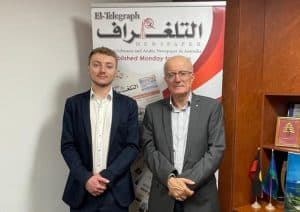
By Antoine Kazzi El-Telegraph – Arts & Culture Desk
In an age where streaming platforms dominate and musical trends shift by the week; it is rare to encounter an artist attempting something both ancient and daringly contemporary. Yet that is precisely what Lane Anderson is undertaking: reintroducing the timeless words of the Psalms to a new generation through a fusion of R&B, hip-hop, orchestral textures, and ambient soundscapes.
At first glance, the pairing may seem unlikely. The Psalms, ancient Hebrew prayers traditionally attributed to King David, have echoed through synagogues and churches for millennia. But for Anderson, the connection is natural. “Music is a feeling,” he explains, and the Psalms are nothing if not emotional: songs of repentance, triumph, fear, longing, gratitude, and praise. His mission is not to modernize Scripture, but to illuminate it, allowing young listeners to encounter sacred words in a soundscape that feels familiar.
From Poetry to Praise
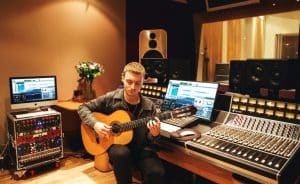
Anderson’s journey into sacred composition began long before his current project. Raised in a musical family, inspired by a guitar-playing father, he developed an early love for performance. As a teenager, he wrote poetry and eventually channeled it into hip-hop, a genre he describes as “a poetic and musical form of self-expression.”
A profound spiritual awakening after relocating to Melbourne reshaped both his life and his art. His music, once deeply personal, became devotional. Themes of repentance, awe, divine mercy, and reverence for the Holy Trinity now form the backbone of his songwriting. The intensity heard in his compositions reflects what he calls “the seriousness and wonder of salvation.”
Three Albums in the Making
Anderson is currently developing three albums; each rooted in Christian faith and Scripture. His sound blends synthesizers and electronic percussion with piano, guitar, and orchestral elements. The result is a layered musical identity urban yet classical, modern yet reverent.
For Anderson, the creative process is spiritual as much as artistic. He speaks of divine grace guiding melody and lyric, describing God as “the true producer and director” of his work. Such language may surprise secular audiences, but it reveals the depth of conviction driving the project.
A Creative Partnership
A significant dimension of Anderson’s current undertaking is his collaboration with Director Georges Salloum, who lends his voice to the recording of the Psalms. While Anderson crafts the musical framework, Salloum focuses on vocal delivery. Together, they refine each piece carefully, blending music and spoken Scripture into what they describe as an immersive experience.
The goal is not to overshadow the sacred text, but to complement it. Anderson likens the music to ambient lighting in a room subtle, intentional, and designed to draw attention to what truly matters. In this case, that is the Word itself.